What is your waste handling really costing your business?

The Hidden Costs of Manual Waste Handling
The cost of waste handling isn’t just the bill for collection. In many businesses, the time staff spend moving cardboard, flattening boxes, handling plastic and keeping waste areas tidy is just as important.
When loose packaging builds up, it can also take up valuable space needed for daily operations.
A more efficient waste handling solution can make these everyday tasks easier.
By compacting cardboard, plastic and other suitable materials, businesses can cut down on the amount of loose waste they have to deal with, create a tidier workplace and potentially reduce the number of collections.
Why waste collection is only part of the cost
Waste collection costs are often easy to spot because they show up on an invoice. The work that takes place before collection is less obvious.
Staff might have to stop what they’re doing to cut open or flatten boxes, carry packaging through the building, find space for overflowing waste or make several trips to a container.
Each job might seem minor on its own. But over the course of a working day, these interruptions can impact how smoothly a warehouse, shop or production area runs.
That’s why improving waste handling isn’t just about organising cheaper collections. It’s also about making the daily workflow easier for the people who deal with waste.

Where manual waste handling takes up time and space
Flattening and moving cardboard
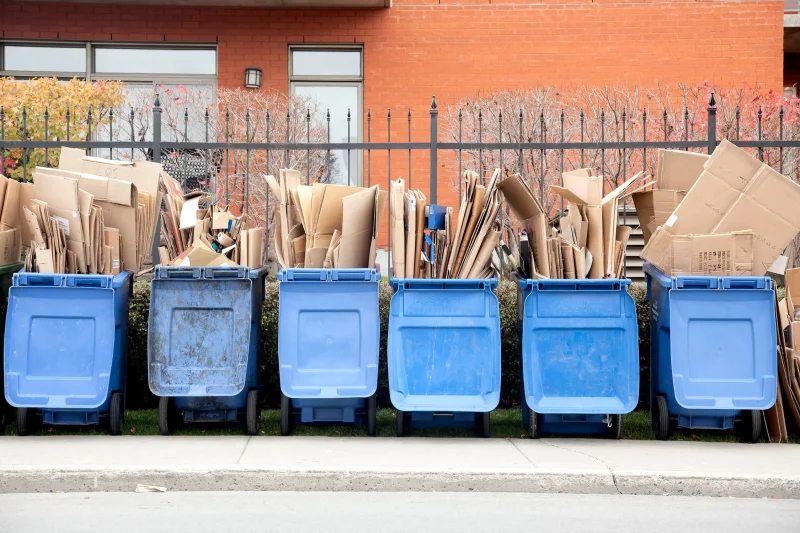
Cardboard boxes are a common part of goods deliveries and dispatch operations. When they are stored loose, staff might need to break them down, stack them, and bring them to a separate waste area.
A suitable cardboard baler can allow you to compact the material into manageable bales instead of constantly dealing with piles of loose packaging.
Handling plastic and other packaging
Plastic film and other light packaging materials can quickly take up space, even when their weight is fairly low.
When these materials are suitable for compaction, handling them in a more organised way can help cut down on the amount of loose waste around the workplace.
Keeping waste areas clear
Overflowing bins and stacks of packaging can make it more difficult to use valuable working and storage areas. They might also create extra tidying and internal transport.
Keeping waste under control as it is generated helps create a cleaner, more organised working environment.
How a baler or compactor can improve everyday waste handling
A baler compacts suitable materials, such as cardboard or plastic film, into dense bales that can be stored for collection.
A compactor reduces the volume of suitable waste directly in a container.
The right choice depends on the waste type, quantities and the way material moves through the business.
For companies managing large amounts of loose packaging, effective compaction can offer several practical benefits:
- Less time spent on repeated manual handling and trips to the waste container.
- More usable space in warehouses, backrooms and working areas.
- Tidier waste areas that are easier to manage throughout the day.
- Potentially fewer collections when waste is compacted more efficiently.
- A smoother daily workflow, with fewer interruptions caused by loose waste.
The result will vary from one company to another. The most useful solution is the one that fits the materials, the available space and employees’ everyday routines.

Customer example: Louis Vuitton reduced waste handling costs
At its headquarters in Paris, Louis Vuitton replaced a bin-based cardboard waste process with a Bramidan X25 HD Low Profile baler.
The company’s previous approach involved handling and collecting loose packaging from a space with limited access and a low ceiling height.
The new solution reduced waste collections to once a week and saved Louis Vuitton more than US$1,700 per month. Employees also no longer needed to flatten the boxes before disposal. This is a specific customer result, rather than a saving that every business should expect.
The case illustrates a simple point: reducing the amount of manual work involved in waste handling can be valuable alongside savings on collection and storage.
Frequently asked questions
What are the hidden costs of manual waste handling?
In addition to collection fees, businesses use employee time flattening, moving and storing waste, making trips to containers and tidying waste areas. Loose packaging can also take up valuable operational space.
Can a baler help reduce waste handling costs?
A baler can make cardboard and plastic waste easier to manage and store. Depending on the business, this could reduce manual handling, unnecessary trips and how often collections are needed.
Why does waste handling affect daily productivity?
When employees have to stop their main tasks repeatedly to deal with loose waste, it takes time away from other work. Keeping waste organised near where it is generated can help make daily routines more efficient.
Make everyday waste handling more efficient
If cardboard, plastic or other packaging is taking up too much time and space, it might be worth rethinking how your company handles it. Bramidan can help you find a baler or compactor that suits your materials, working environment and operational needs.
Any Questions? Get in touch