


Schools & Universities

At Bramidan, we understand the unique challenges faced by public sector entities and are committed to providing tailored waste solutions to meet your needs.
Explore our comprehensive suite of offerings designed to address the diverse array of waste streams encountered in public sector operations, and achieve your waste management goals.
Challenges
- Time spent on waste handling
- Limited space & overfilled containers
- Difficulty managing various waste types separately
- Expensive container haulings
- Strict waste handling policies
Benefits
- Saves valuable time
- Reduces waste collections
- Save operational costs
- Efficient waste management
- Reliable and responsible recycling solution
- Optimises space utilisation
- Enhances workplace cleanliness
Recommended equipment
Explore our range of vertical and horizontal balers, as well as self-contained and stationary compactors, below.
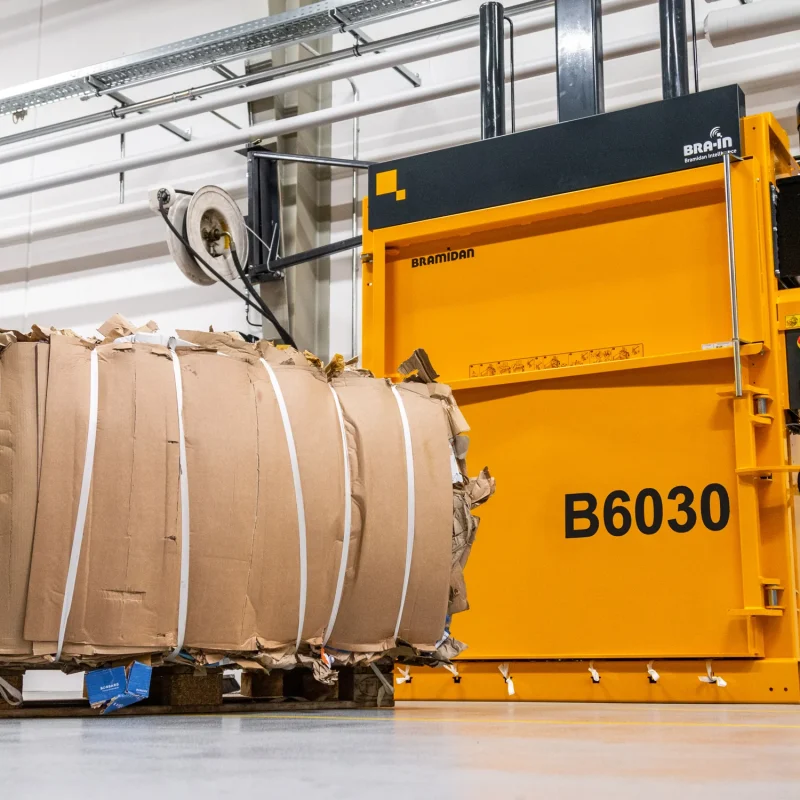
Vertical balers

Horizontal balers
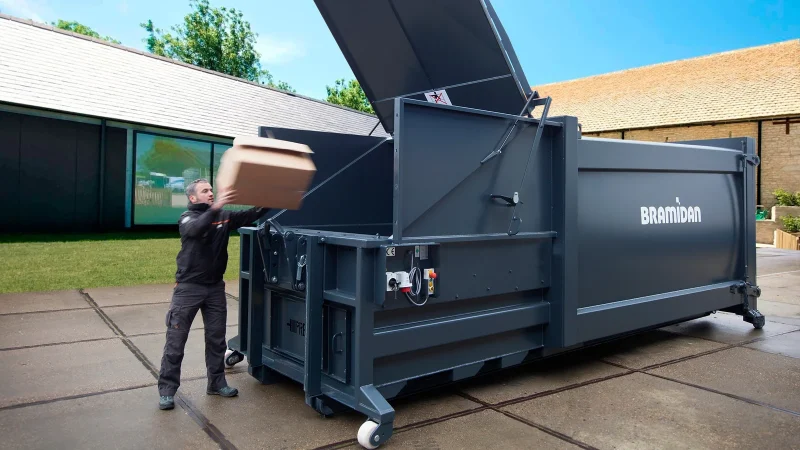
Stationary and mobile compactors
Services

BRA-IN

Service

Rent, lease or buy
Explore common waste types in the public sector
Discover the world of waste management for sustainable practices.
Find your specific waste type and unveil our curated selection of machines designed for optimal efficiency and responsible solutions.
Don’t see your waste type? View all of them here.

Waste analysis in the public sector
Schools and universities, as part of the public sector, encounter a wide array of waste due to the diverse activities that take place on their campuses.
Here are some of the common types of waste they manage:
- Paper waste: Consists of used notebooks, textbooks, exams, handouts, flyers, and administrative paperwork.
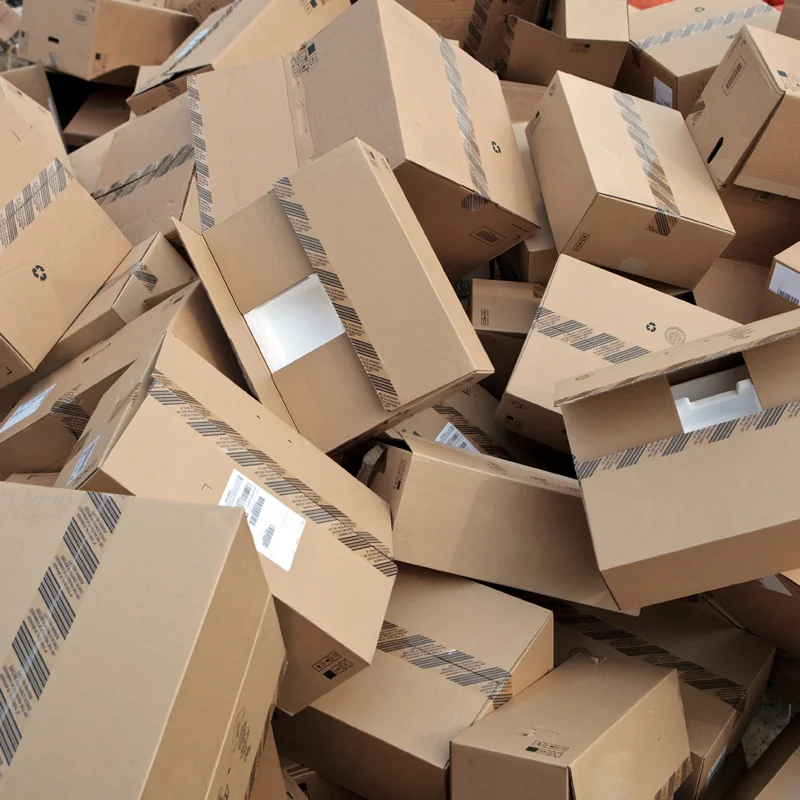
- Packaging waste: From deliveries of school supplies, cafeteria food shipments, and equipment for various departments.
- Food waste: Generated from cafeterias, dining halls, and campus events, including uneaten food and preparation scraps.
- Electronic waste (e-waste): Old computers, printers, lab equipment, and other outdated or broken electronics that require special disposal.
- Laboratory waste: Chemicals, biological materials, glassware, and other items from scientific research and educational labs.
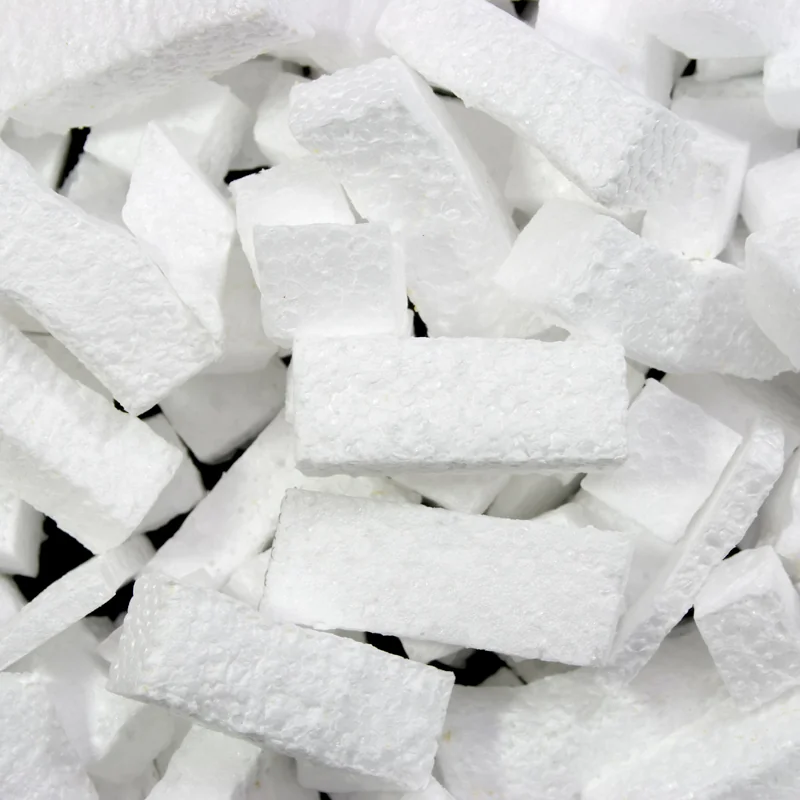
- Plastic waste: Single-use plastics from packaging, bottles, and bags, as well as items like binders and folders.
- Textiles: Worn-out uniforms, lost-and-found items that are never claimed, and old athletic gear.
- Furniture and equipment: Desks, chairs, and other furnishings that are no longer needed due to wear or campus upgrades.
- Construction and renovation waste: Debris from new construction, remodels, or demolition projects on campus.
- Hazardous waste: From maintenance activities, including cleaning supplies, batteries, and light bulbs, which require special disposal.
- Green waste: Leaves, branches, and landscaping trimmings from the upkeep of campus grounds.
Educational institutions typically focus on reducing waste through recycling programmes, educational campaigns to promote responsibility among students and staff, and efforts to repurpose and recycle electronics and furniture.
Many also participate in composting initiatives to manage organic waste and implement green purchasing policies to minimise the generation of waste from the start.
Any Questions? Get in touch